Join now
Where Does the Myth Come From That Strength Training Stunts Growth?
Where Does the Myth Come From That Strength Training Stunts Growth?
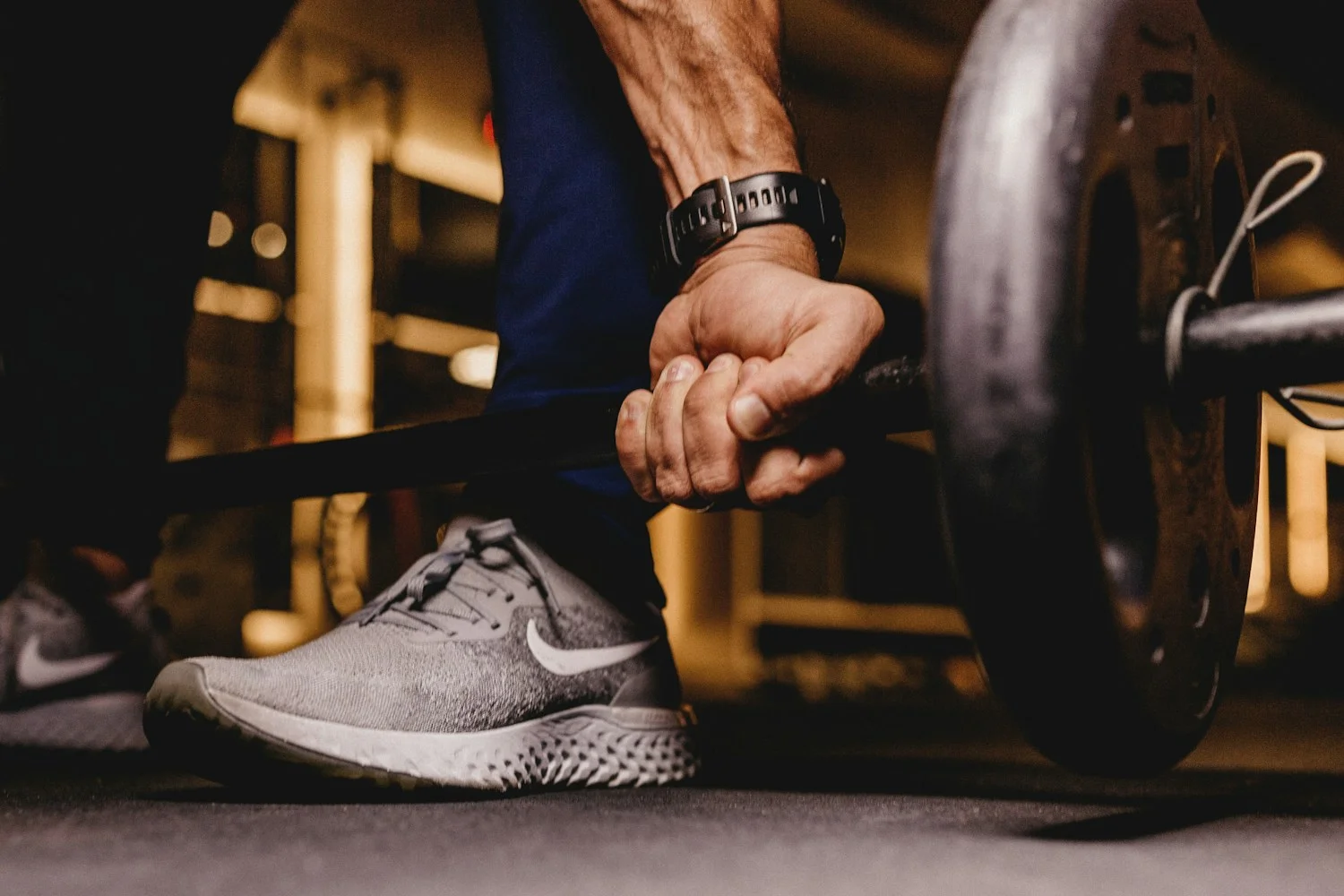
The myth that lifting weights stunts growth has circulated for decades, originally based on outdated, misinterpreted observations. The misconception was that lifting loads would compress bones and damage growth plates, preventing children from reaching their full biological height.
Furthermore, competitive weightlifting and gymnastics frequently showcase shorter athletes. This is due to self-selection: shorter limb lengths offer superior mechanical leverage in these sports. Strength training does not stunt height; rather, individuals with compact levers naturally excel in them.
What Are Growth Plates and Are They in Danger?
Growth plates (epiphyseal plates) are areas of active cartilaginous tissue at the ends of long bones such as the femur and tibia. As adolescents develop, these plates gradually ossify into solid bone. While cartilage is softer than mature bone, documented growth plate injuries result almost exclusively from unsupervised accidents or extreme uncontrolled loading. In certified, structured resistance training, growth plate damage is virtually non-existent.
What Does Medical Science Conclude?
Major sports medicine organizations worldwide—including the American Academy of Pediatrics and the British Journal of Sports Medicine—endorse youth resistance training under qualified coaching. Regular, supervised training stimulates bone mineral density, strengthens joint architecture, and enhances neuromuscular coordination.
The Proven Health Benefits of Strength Training for Youth
Building functional strength provides youth with proven athletic and physical benefits:
- Elevated bone mineral density, protecting long-term skeletal health
- Substantially reduced risk of sports injuries in field games like football and cricket
- Enhanced movement coordination, postural stability, and agility
- Greater athletic power, speed, and endurance
- Positive physical self-esteem and body confidence
- Lifelong exercise and health habits carried into adulthood
What Age Can Youth Begin Resistance Training?
There is no arbitrary age limit. International pediatric guidelines recommend that once children can follow coaching instructions (typically around age 7 or 8), structured movement training can begin safely.
Early training emphasizes bodyweight exercises: squats, lunges, push-ups, and balance drills. During adolescence, gradual resistance training can be introduced with strict emphasis on lifting mechanics.
Key Safety Principles for Youth Training:
- Supervised training under qualified certified fitness coaches
- Strict prioritization of movement form over maximum weight
- Controlled rep ranges (8 to 15 reps) rather than 1-rep maximum attempts
- Balanced recovery between training sessions
Learn More at HR Fitness Club
Supervised youth strength training is safe, effective, and beneficial. To learn more about youth fitness and athletic conditioning programs, contact the certified coaching team at HR Fitness Club in Thatipur, Gwalior.