Join now
Glute exercises are not merely aesthetic; they are the foundation of a strong lower back, stable knees, and optimal physical movement. The gluteus muscles are the largest muscle group in the human body. Under-training them leads to compensations and strain in your lower back, hips, and knees. Training them with targeted compound movements strengthens your entire posture and daily athletic performance.
Why You Might Not Be Getting the Results You Want
Many people who squat regularly assume they are automatically developing their glutes. That is only partly true. In a conventional barbell squat, the quadriceps (front thigh) quickly take over the majority of the mechanical load. The glutes assist, but often do not receive the targeted stimulus necessary for maximum hypertrophy and strength gains.
Targeted glute training requires specific movement patterns that emphasize hip extension, abduction, and external rotation. This ensures balanced engagement of the gluteus maximus, medius, and minimus.
Which Exercises Activate the Glutes Most Effectively?
Barbell Hip Thrust: The Foundation of Glute Activation
1. The Barbell Hip Thrust: The hip thrust is widely recognized in sports science as one of the most effective glute exercises. EMG muscle activation studies consistently show the hip thrust achieves superior gluteus maximus recruitment compared to squats, deadlifts, and standard lunges.
Execution: Rest your upper shoulder blades securely on a flat bench, position a cushioned barbell across your hips, and plant your feet flat on the floor at shoulder width. Drive through your heels to extend your hips upward until your torso and thighs form a straight, horizontal line. Squeeze your glutes firmly at the top for a two-second pause before descending with control.
Begin with bodyweight or light resistance to master lifting technique. Gradually increase load once you maintain strict movement control throughout every rep.
Romanian Deadlift: Lengthening and Strength
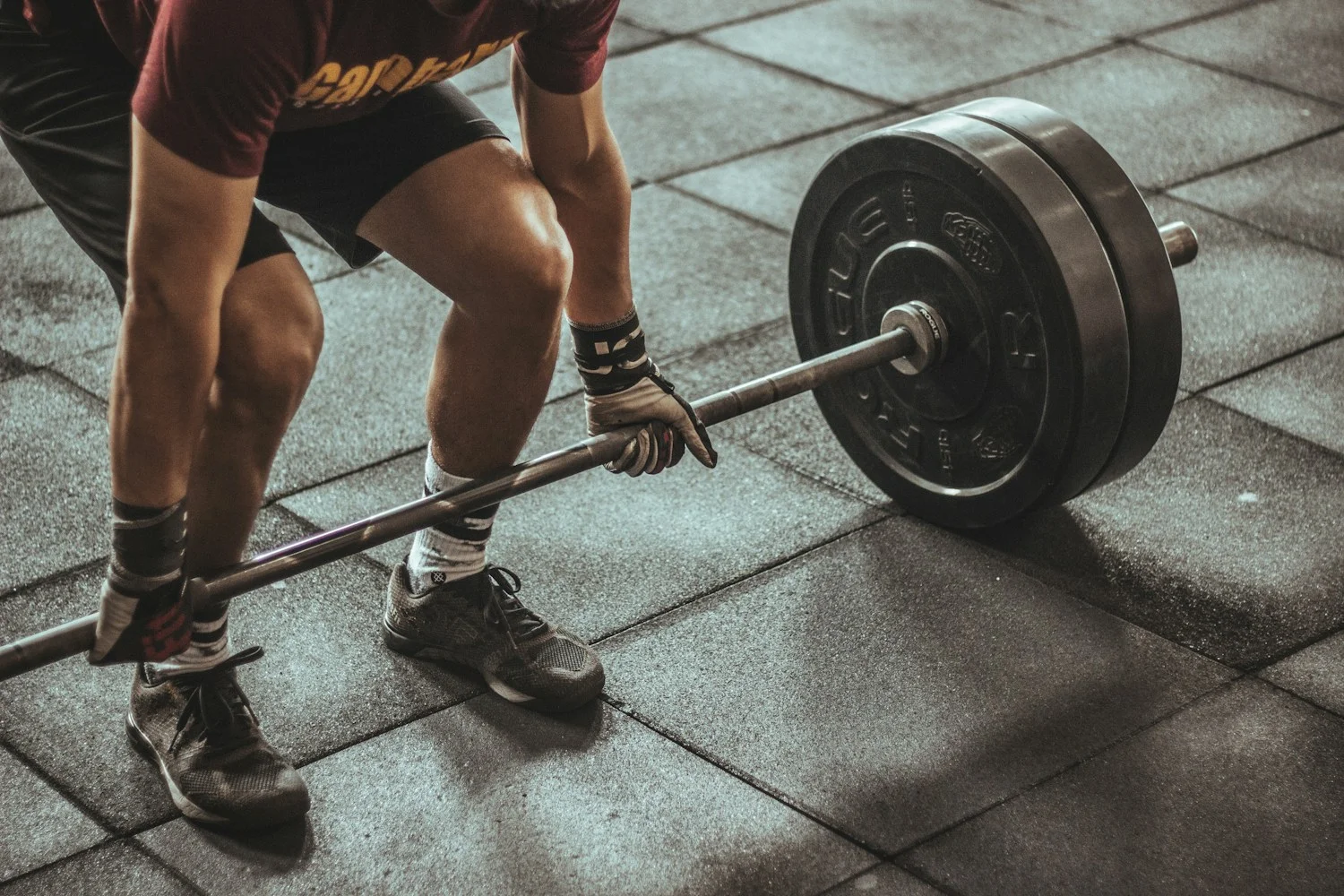
2. Romanian Deadlifts (RDLs): The Romanian deadlift challenges the posterior chain through eccentric loaded stretching. Loading the muscle actively under tension provides the essential mechanical stimulus for muscle strength and tone.
Stand with feet hip-width apart and hinge at the hips while maintaining a neutral spine. Keep the barbell close to your shins and push your hips backward until you feel a deep stretch in the hamstrings and glutes. Drive your hips forward to return to standing.
Glute Bridge: Accessible for Every Fitness Level
The glute bridge resembles the hip thrust but is performed directly on the gym floor without a bench. It serves as an excellent activation warm-up or foundational exercise for lifters of any experience level.
Execution: Lie on your back with knees bent and feet planted flat. Press through your heels to bridge your hips upward toward the ceiling, contracting your glutes hard at the apex. Add a resistance band above the knees to stimulate the gluteus medius simultaneously.
Bulgarian Split Squat: Balance, Mobility & Single-Leg Power
This unilateral movement is demanding but exceptionally rewarding. Resting one foot behind you on a bench, you descend until your front thigh is parallel to the ground, driving through the front heel to return upward. Leaning slightly forward emphasizes hip extension and targets the glutes intensely.
Cable Kickback: Pure Gluteus Isolation
Complementing heavy compound lifts, cable kickbacks provide continuous resistance throughout hip extension. With an ankle strap connected to a low pulley, extend your leg backward while squeezing your glutes at peak contraction.
How to Structure an Effective Glute Training Routine
An effective training routine combines:
- A primary heavy hip extension lift (barbell hip thrust or deadlift)
- A unilateral exercise (Bulgarian split squat or walking lunges)
- An isolation or activation exercise (glute bridge or cable kickback)
Train glutes two to three times per week with adequate recovery. Muscle tissue rebuilds and strengthens during rest. Adjust training volume and load progressively to stimulate ongoing adaptation.
Mind-Muscle Connection: Feeling the Glutes Fire
A frequent challenge for beginners is difficulty feeling glute engagement during compound exercises. Here are proven cues:
- Warm up with dynamic glute bridges or resistance band monster walks
- Focus mentally on contracting the muscle at peak hip extension
- Slow down tempo: take two seconds on the eccentric lowering phase and pause for one second at the top
- Drive firmly through your heels rather than your toes
Technique Over Weight: The Key to Safe Progress
Adding weight only counts as true progress when lifting mechanics remain strict. Sacrificing technique shifts tension to your lower back or knees, defeating the purpose of the exercise. Master movement mechanics first, then increase resistance progressively.
Start Targeted Training at HR Fitness Club
Ready to take the guesswork out of your workouts? At HR Fitness Club in Thatipur, Gwalior, our certified coaches evaluate your posture, movement patterns, and strength baselines to build a customized training program tailored to your goals.